

07 December 2025 | 425 Times Viewed
Transforming Youth Energy into Social Impact: A Guide to Volunteering
Youth is the period when individuals invest in themselves the most, carrying the highest level of energy and potential. Many young people aspire to join social responsibility projects and contribute to society, yet struggle with where and how to begin. This guide introduces essential principles and strategies for young volunteers who want to activate their inner motivation and embark on a meaningful volunteering journey.
The most effective volunteering comes from participating in areas aligned with one’s interests and values. Rather than short-term tasks aimed solely at earning certificates, projects embraced with passion bring experience, competence, and a valuable professional network.
Key volunteering models include:
Volunteering creates a bridge between generations. Working with experienced volunteers helps young people gain valuable insights not only into technical tasks but also into vision, endurance, and strategic thinking.
Stories of challenges and success shared by experienced volunteers illuminate the path for younger ones. Reaching out to inspiring project leaders can initiate powerful mentorship opportunities.
The most powerful impact of volunteering is its “butterfly effect.” A small effort today can create meaningful changes in the lives of people you may never meet.
Supporting disadvantaged communities increases awareness of issues often overlooked. Helping a child access education can change not only that child’s life but the life of future generations.
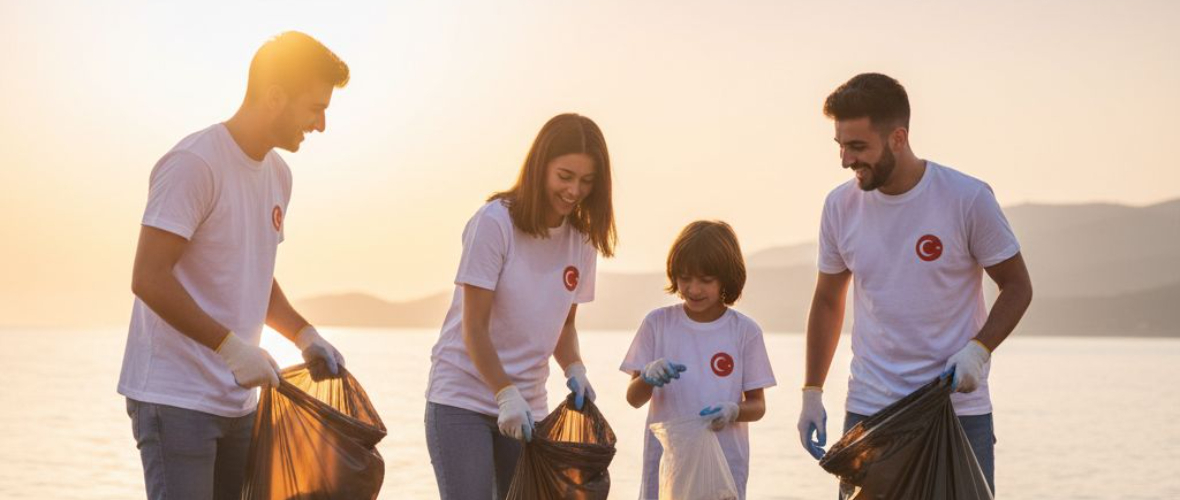
Environmental efforts — such as planting trees or cleaning natural areas — are investments in a sustainable future.
Volunteering significantly enhances soft skills — critical competencies often not learned in academic environments.
Volunteering means saying “I’m here” instead of “Someone else will do it.” With mindful and compassionate young people, our world can become a better place. The best time to turn your energy into social impact is today.
Sena Gül Bilgi

 X
X


